
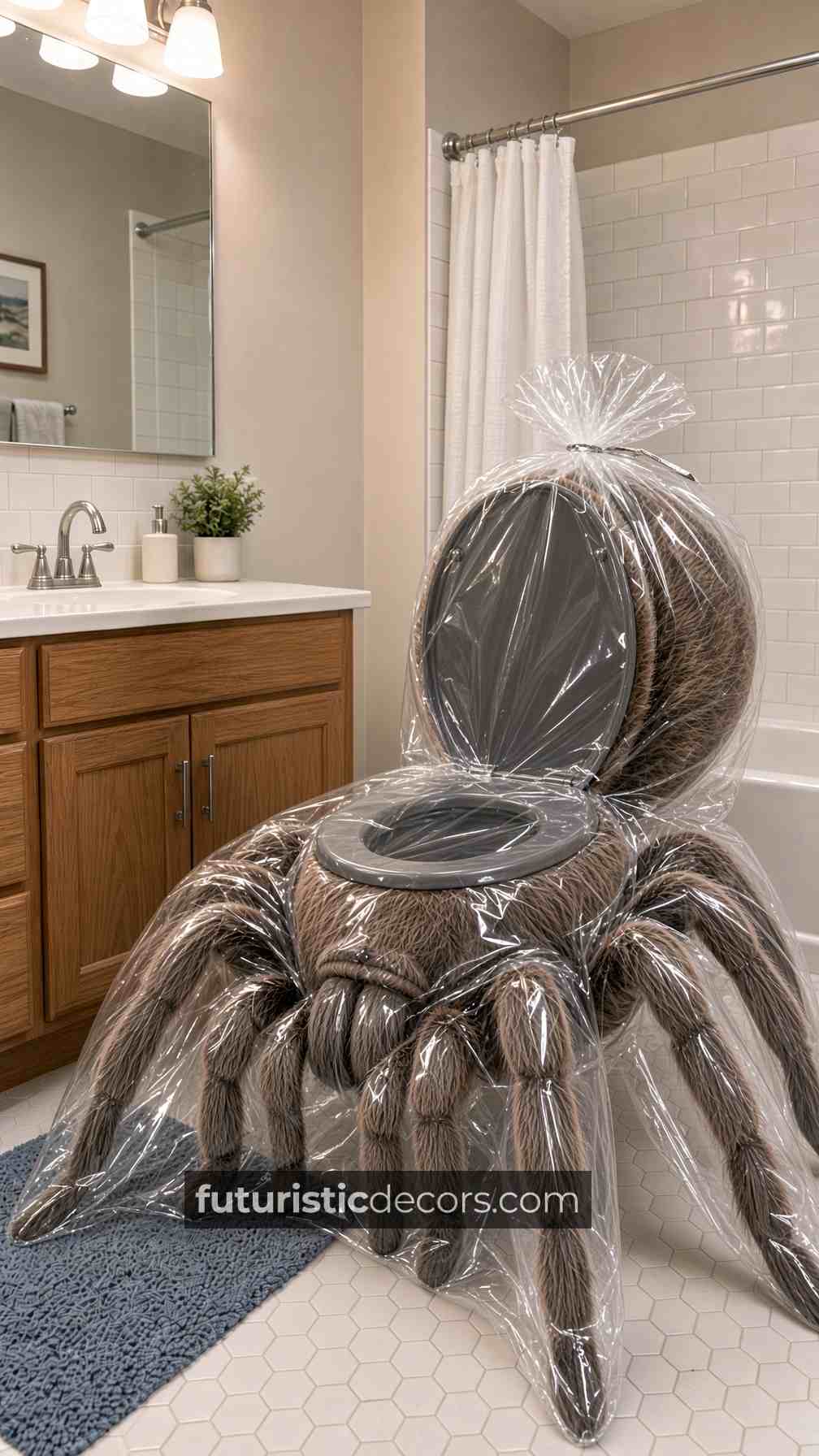
Among the most unusual concept pieces circulating in modern home design communities is the tarantula-inspired throne. Installing a Spider-Shaped Toilet transforms an ordinary, utilitarian bathroom into an extraordinary conversation piece, blending dramatic sculpture with daily functionality.
In this comprehensive guide, we will explore every dimension of this trend, weighing the real-world advantages and disadvantages of introducing a Tarantula toilet into your living space.
1. The Anatomy of a Spider-Shaped Toilet
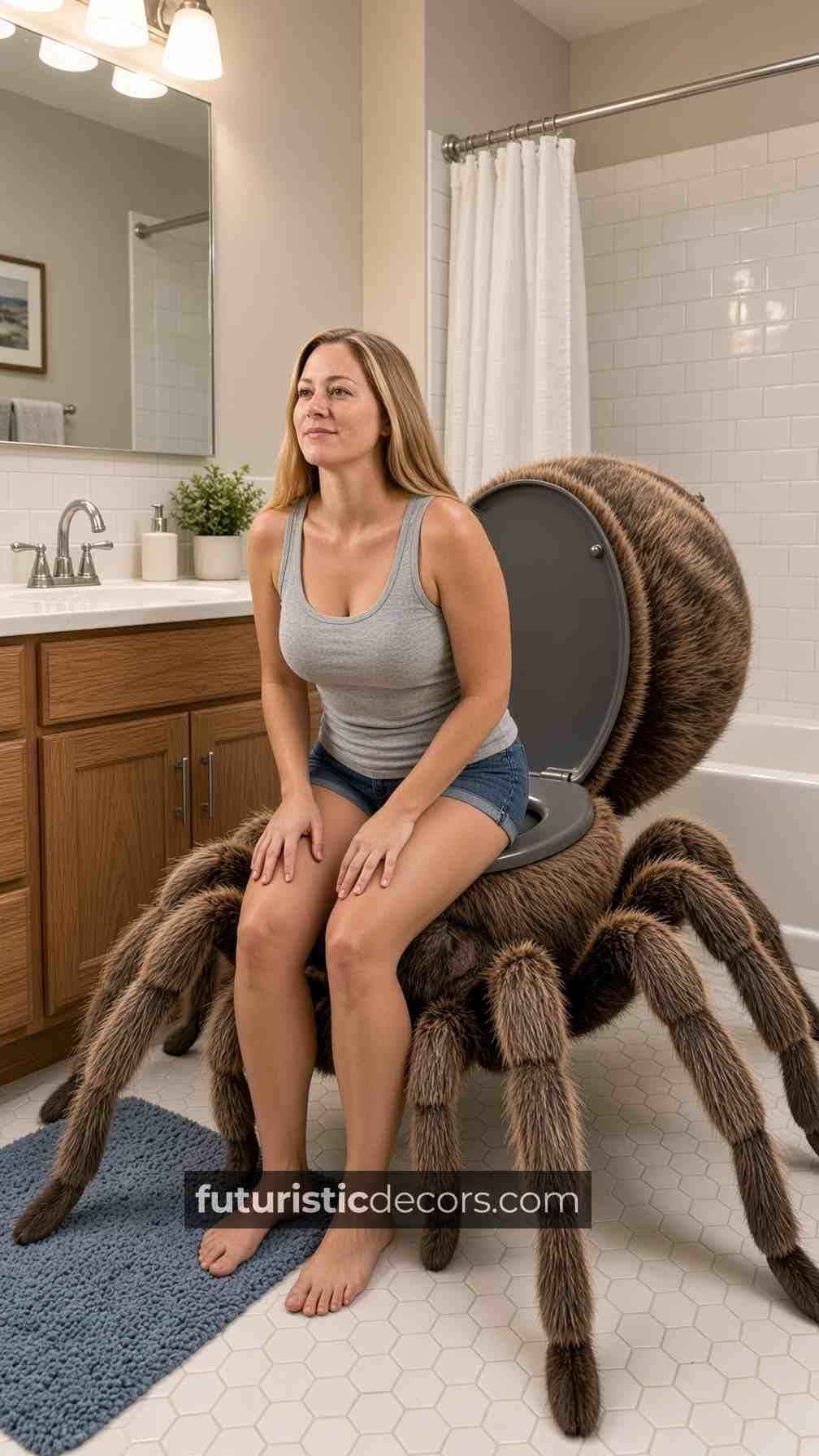
To truly understand why someone would choose a giant tarantula seat for their home, it helps to examine how these unique fixtures are constructed. A typical Spider-Shaped Toilet consists of several distinct artistic and mechanical elements designed to mimic arachnid anatomy while retaining standard plumbing functions.
For purchasing options and similar products, be sure to check the end of this article!
The Cephalothorax and Bowl
The core functional element of the unit rests within what corresponds to the spider’s cephalothorax (the head and midsection). The standard porcelain inner bowl is encased within a molded housing that imitates the thick, furred texture or sleek, chitinous exoskeleton of a tarantula. High-end custom models feature hand-painted fiberglass or water-resistant composite resins that replicate hair follicles, eye clusters, and realistic color gradients.
The Abdomen and Tank
In traditional toilet design, the water tank is a plain rectangular prism sitting behind the seat. In a Tarantula toilet, the tank is creatively integrated into the spider’s bulbous abdomen. This large, rounded back section conceals standard dual-flush mechanics or high-efficiency pressure systems while maintaining the anatomical silhouette of a giant tarantula standing at full height.
The Legs and Base Support
Perhaps the most dramatic aspect of any Spider-Shaped Toilet is its eight sprawling legs. Depending on the model, these legs can extend outward along the bathroom floor or wrap tightly around the fixture to save space. In well-engineered designs, the legs act as auxiliary structural supports, distributing weight across a wider footprint than conventional pedestal toilets.
2. The Appeal of Eccentric Bathroom Design
For decades, modern interior architecture favored clean lines, sterile white porcelain, and minimalist chrome fixtures. However, contemporary decor is currently experiencing a dramatic resurgence of maximalism, eccentric themes, and personalized spaces. Incorporating a Spider-Shaped Toilet allows homeowners to reject mass-produced monotony in favor of unapologetic self-expression.
Breaking Away from Boring Porcelain
Bathrooms are historically among the most visually predictable rooms in a house. Standard ceramic toilets, while functional, rarely contribute to a memorable interior aesthetic. By substituting a traditional fixture with a Tarantula toilet, you immediately signal a commitment to bold, daring aesthetics that defy suburban conformity.
The Rise of Viral Home Decor
In an era dominated by social media showcases, unique architectural features drive engagement and social sharing. A house featuring a Spider-Shaped Toilet quickly becomes a talking point among guests, digital followers, and design enthusiasts alike. For homeowners who love hosting gatherings or renting properties on short-term vacation platforms, striking features like this provide built-in viral marketing value.
3. The Major Pros of Installing a Spider-Shaped Toilet
Choosing to install a Tarantula toilet comes with several genuine design, psychological, and functional advantages that extend far beyond simple shock value.
Unmatched Visual Impact and Statement Art
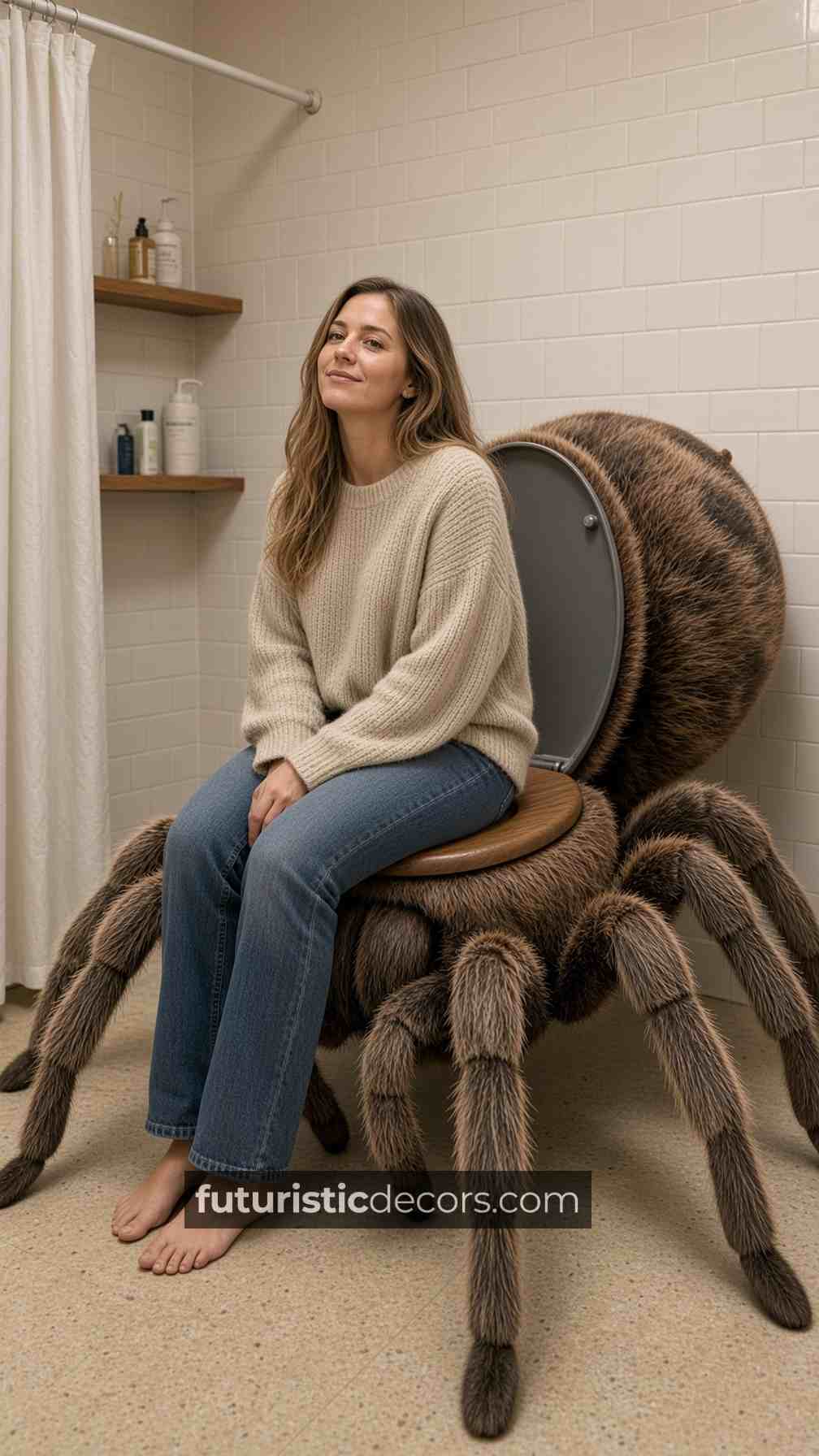
The primary reason to buy a Tarantula toilet is pure artistic impact. It serves as a dramatic centerpiece that transforms a functional room into a gallery-like installation. Rather than adding artwork to the walls, the fixture itself becomes a sculptured masterpiece that defines the theme of the entire room.
Unforgettable Guest Experience and Hospitality
If you love entertaining, your powder room should leave a lasting impression. Guests walking into a restroom equipped with a Tarantula toilet are treated to an unexpected moment of surprise, humor, and awe. It breaks the ice, stimulates lighthearted conversation, and ensures your home remains unforgettable long after the party ends.
Novelty and Thematic Alignment
For enthusiasts of horror cinema, gothic architecture, entomology, or fantasy decor, a Spider-Shaped Toilet fits seamlessly into a broader design narrative. Paired with dark tilework, moody ambient lighting, and Victorian-style brass hardware, a giant tarantula seat anchors a stunningly cohesive gothic sanctuary.
High Demand in Specialized Rental Markets
Theme-driven rental properties—such as haunted-themed cabins, fantasy suites, or pop-culture Airbnb rentals—thrive on unique photo opportunities. Installing a Spider-Shaped Toilet in a rental property’s guest bathroom can significantly boost booking rates and increase nightly pricing by appealing to travelers seeking memorable, shareable experiences.
4. The Major Cons and Practical Challenges
While the artistic appeal is undeniable, living with a Spider-Shaped Toilet on a daily basis presents several distinct practical, maintenance, and psychological challenges that must be considered before making a purchasing decision.
Arachnophobia and Shock Factor
Arachnophobia is one of the most common phobias in the world. Installing a Tarantula toilet means that a significant percentage of your visitors—and potentially family members—may feel genuine discomfort, panic, or anxiety when trying to use your bathroom. Late-night trips to the bathroom in dim light can trigger an involuntary startle response, even for individuals who are not usually fearful of insects or spiders.
Cleaning and Maintenance Headaches
Standard smooth porcelain toilets are specifically designed for easy cleaning and sanitation. Conversely, a Tarantula toilet features complex contours, textured surfaces, crevices, and multiple protruding legs that easily trap dust, moisture, and bathroom grime. If the seat includes faux fur or textured resin, keeping the exterior hygenic requires specialized cleaning products and significant manual effort.
Space Requirements and Ergonomic Constraints
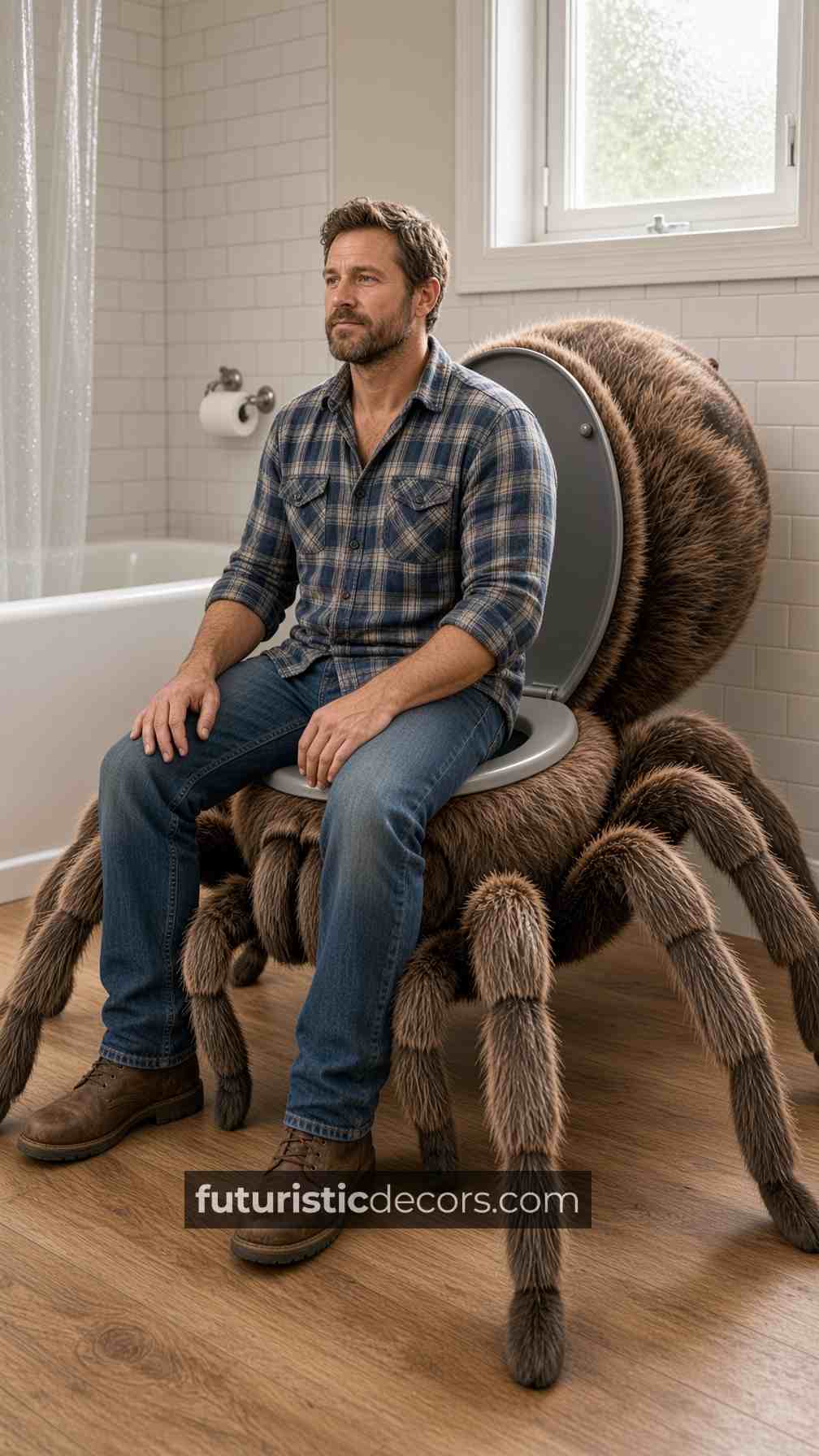
A standard toilet occupies a relatively small footprint, fitting neatly into tight powder rooms. A Spider-Shaped Toilet, owing to its sprawling leg structures and oversized abdominal tank, demands far more floor area. In compact bathrooms, the wide stance of a Tarantula toilet can obstruct doorways, impede access to sinks, or make sitting comfortably awkward for taller individuals.
High Cost and Custom Installation Issues
Because a Spider-Shaped Toilet is typically produced as a custom art piece or limited-run designer fixture, purchasing one carries a premium price tag far exceeding standard plumbing hardware. Furthermore, connecting standard rough-in plumbing to an irregularly shaped, heavy sculpture often requires specialized installation skills, custom mounting hardware, and additional labor costs.
5. Material Matters: Faux Fur vs. Sculpted Resin
When shopping for or commissioning a Tarantula toilet, material selection plays a critical role in both durability and hygiene. The two primary approaches to creating a tarantula seat represent radically different user experiences.
Plush and Faux-Fur Encased Models
Some conceptual designs feature soft, plush textiles and faux-fur coatings over protective plastic wrapping or internal foam structures to closely mimic the soft, hairy body of a real tarantula.
- Pros: Highly tactile, comfortable to lean back against, and incredibly realistic from a visual perspective.
- Cons: Extremely difficult to sanitize, prone to absorbing ambient bathroom moisture, and requires protective vinyl covers during actual use to prevent staining.
Sculpted Polyurethane, Fiberglass, and Ceramic Models
More practical interpretations of the Spider-Shaped Toilet rely on solid composite resins, smooth fiberglass, or custom-molded ceramic that painted to imitate hair and organic textures while maintaining a non-porous surface.
- Pros: Waterproof, easy to wipe down with standard disinfectant wipes, structurally robust, and long-lasting.
- Cons: Harder tactile surface, potentially colder to the touch, and requires professional airbrushing to achieve a realistic appearance.
6. DIY vs. Professional Custom Fabrication
If you are determined to bring a Tarantula toilet into your home, you have two primary construction pathways: DIY modification or commissioning a professional fabricator.
The DIY Approach: Modifying Existing Fixtures
Creative craftspeople often build a Spider-Shaped Toilet by applying custom outer shells or leg extensions to an existing standard toilet. Using lightweight materials like carved EVA foam, 3D-printed leg segments, and sealed fiberglass, handy individuals can construct a decorative surround that slides over regular porcelain.
- Advantage: Cost-effective and completely removable if you decide to sell your home or change your decor.
- Disadvantage: May lack structural integrity if guests mistakenly step or lean heavily on decorative leg extensions.
Professional Studio Commissions
Workshops specializing in film props, theme park fabrications, and custom luxury plumbing can manufacture a seamless, fully integrated Spider-Shaped Toilet from high-density composite materials.
- Advantage: Industrial durability, integrated plumbing, high-end realism, and professional structural warranties.
- Disadvantage: Significantly higher cost, often running into thousands of dollars for bespoke manufacturing.
Check similar products here: Click here
Final Verdict: “Is a Tarantula Seat Right for You?”
The choice to install a Spider-Shaped Toilet ultimately comes down to your personal aesthetic vision, tolerance for adventurous decor, and practical household needs.
If you crave a bold, unforgettable statement piece, love maximalist or themed design, and don’t mind extra cleaning care, a Tarantula toilet offers an incomparable blend of fine sculpture and playful novelty. However, if you prioritize quick, hassle-free cleaning, have frequent visits from arachnophobic friends, or plan to put your home on the market in the near future, a conventional fixture remains the safer choice.
Regardless of where you land, the Spider-Shaped Toilet stands as a testament to the endless creativity possible in modern home design—proving that even the most mundane household items can be transformed into extraordinary works of art.