
The men’s grooming industry has undergone a quiet revolution. What once required razors, creams, or salon appointments is now handled by compact, intelligent devices that glide across the body with precision. At the center of this shift sits the chest shaving robot. In 2026, more men than ever are abandoning traditional methods in favor of automated solutions that deliver cleaner results, fewer nicks, and far less time spent in front of the mirror.
This article examines the rise of the chest shaving robot, the reasons behind its rapid adoption, the technology that powers it, and what the future holds for automated body grooming.
The Evolution of Men’s Body Grooming
For decades, men managed chest hair with the same tools used on the face: disposable razors, electric trimmers, or depilatory creams. These methods worked, but they came with trade-offs. Razors caused irritation and razor burn. Trimmers left uneven patches. Creams smelled strong and sometimes caused chemical reactions. The process was time-consuming and often uncomfortable.
By the early 2020s, demand for better solutions grew. Men wanted results that looked intentional rather than rushed. They also wanted convenience. The market responded with more advanced body groomers, but true automation lagged until sensor technology, battery efficiency, and soft-bristle designs matured.
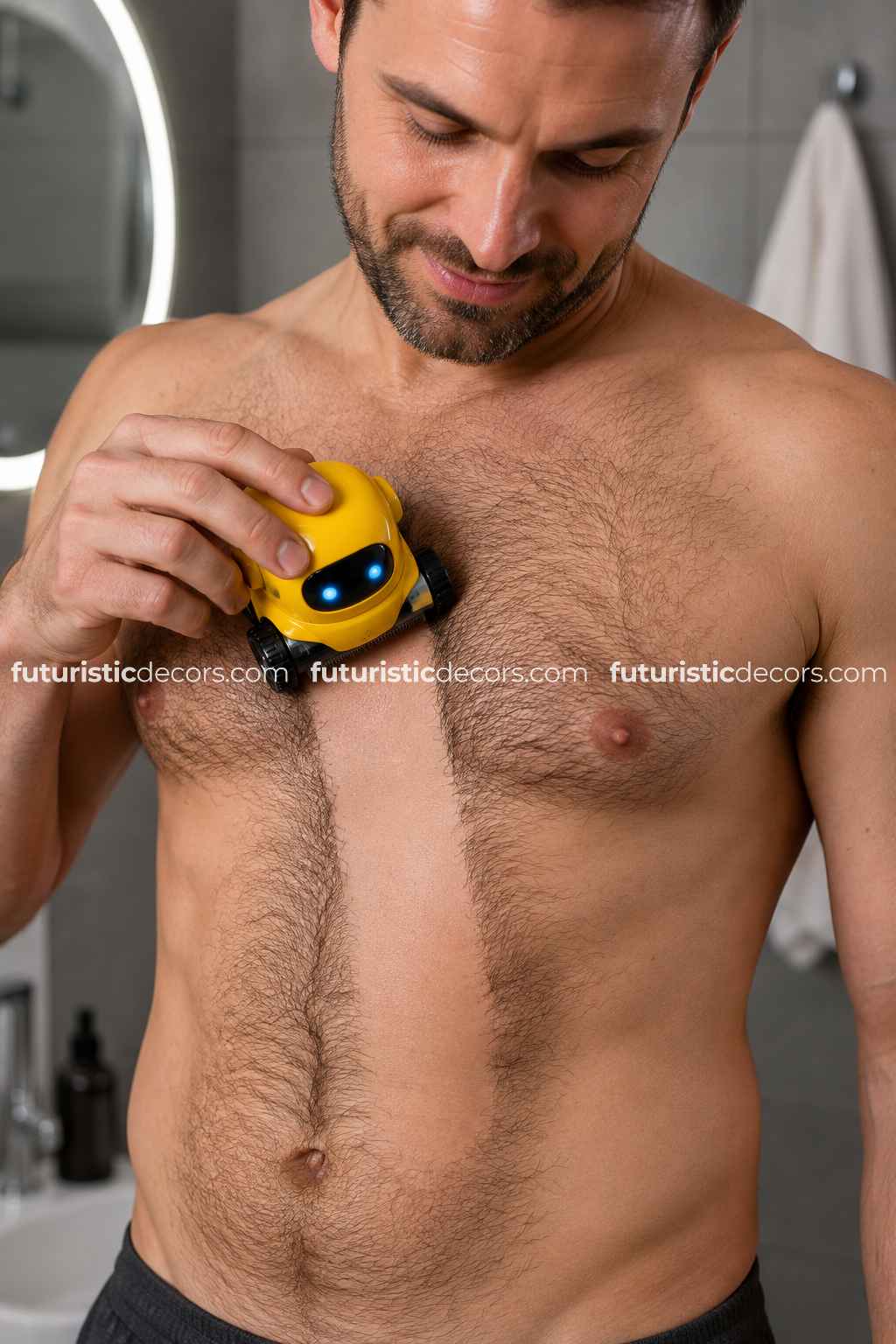
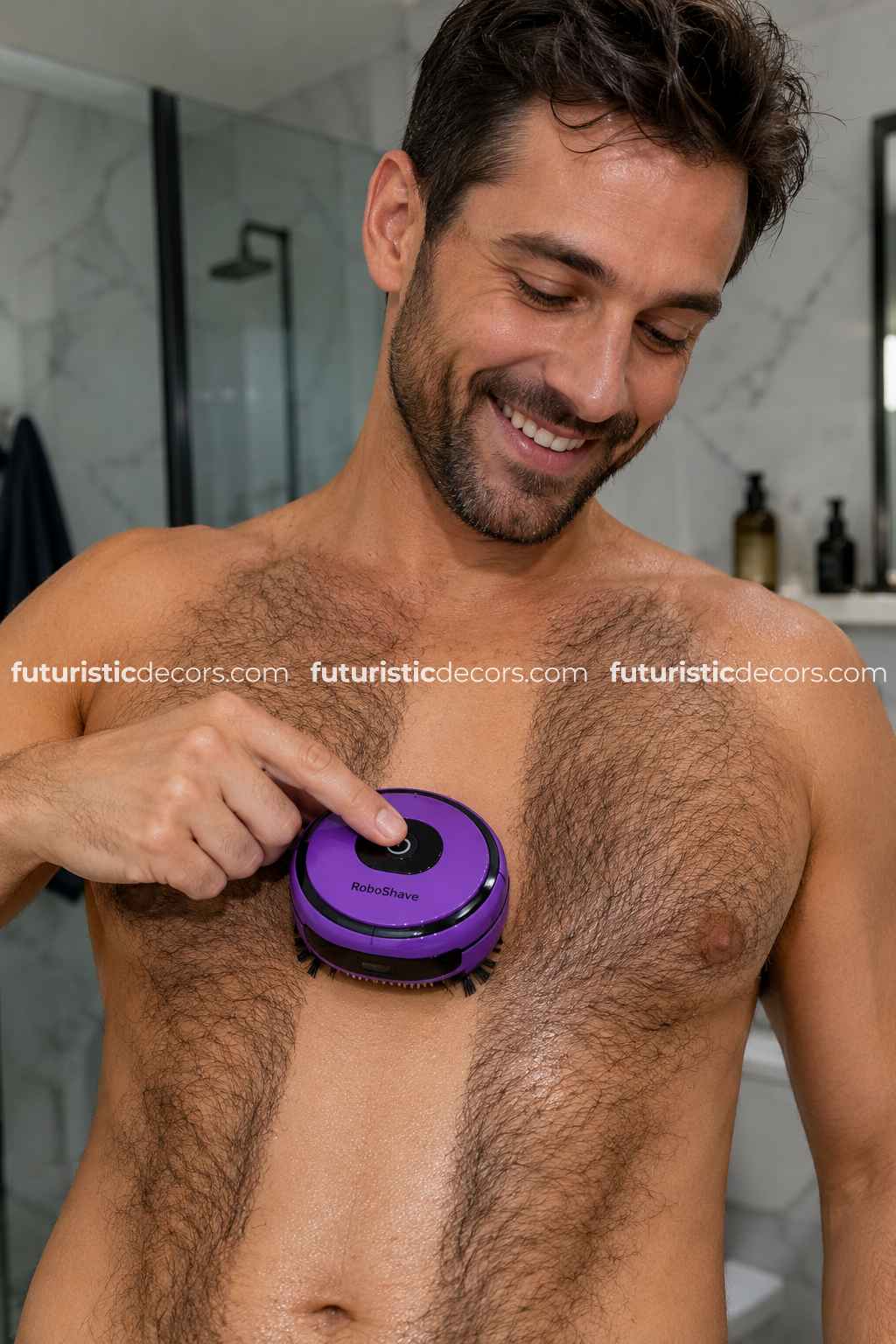
Enter the chest shaving robot. These devices combine the mobility of a small robot vacuum with the precision of a high-end trimmer. They map the skin surface, adjust pressure automatically, and remove hair with consistent closeness. The result is a smoother, more uniform finish that traditional tools struggle to match.
Why Men Are Switching to Chest Shaving Robots in 2026
Several clear factors drive the switch. Convenience ranks first. A chest shaving robot frees the user’s hands for other tasks or simply allows them to relax while the device works. Precision comes second. Sensors detect contours around the pectorals, sternum, and abdomen, reducing the risk of missed spots or overly aggressive passes.
Skin comfort is another major reason. Many units feature hypoallergenic bristles and adjustable suction or vibration levels that minimize irritation. Men with sensitive skin report fewer cases of redness compared with cartridge razors.
Hygiene also matters. Removable brush heads and washable components make cleaning straightforward. Some models include UV sanitizing bases, further reducing bacterial buildup.
Finally, aesthetics play a role. In 2026, a well-groomed chest is viewed as part of overall personal presentation, whether for the gym, the beach, or professional settings. The chest shaving robot delivers a polished look without requiring professional help.
How a Chest Shaving Robot Works
Most current models operate on a simple principle: a motorized base with soft or medium-stiffness bristles or guarded blades moves across the skin while sensors monitor contact and direction. Users typically apply the device to a dry or lightly moistened chest, press the power button, and guide it lightly or allow it to self-navigate short distances.
Advanced units incorporate basic mapping. They detect denser hair areas and slow their movement for more thorough coverage. Some feature dual modes—one for trimming length and another for closer finishing. Battery life generally supports multiple sessions before recharging.
Safety features include automatic shut-off if the device is lifted too high or pressed too hard, plus flexible skirts that conform to body curves. The best designs avoid sharp exposed edges, making them suitable for daily or every-other-day use.
Core Technology Components
Modern chest shaving robot units rely on several integrated systems:
- High-torque micro motors for consistent brush or blade speed
- Soft silicone or nylon bristles that glide without dragging
- Optical or pressure sensors for surface detection
- Rechargeable lithium batteries with quick-charge capability
- Ergonomic shapes that sit comfortably against the body
These elements work together to produce results that feel closer to a professional treatment than a home razor job.
Popular Styles and Design Trends in 2026
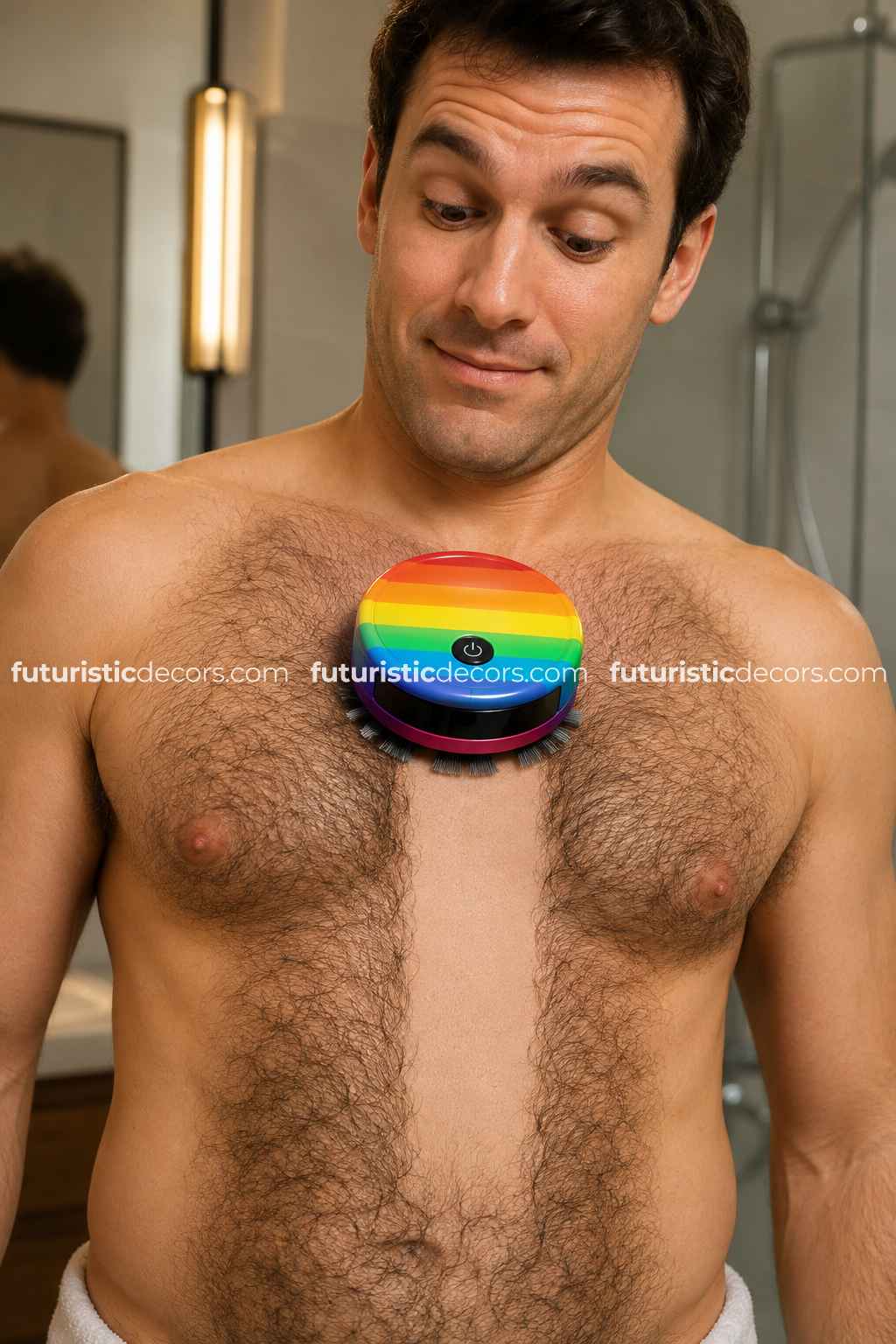
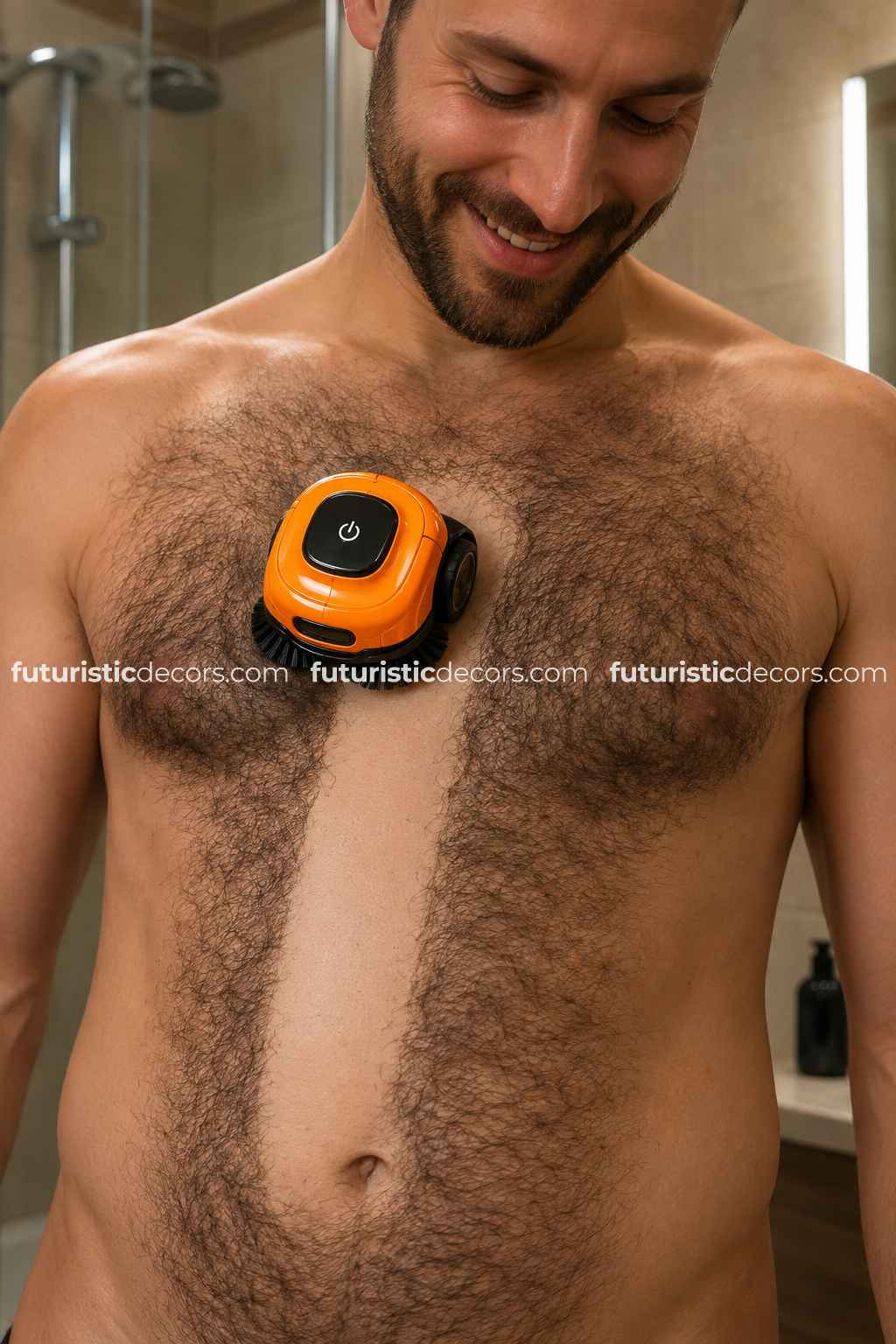
Design has become a selling point. Early prototypes looked clinical. Current models come in bold colors—bright yellow, deep purple, vibrant orange, and even rainbow finishes—that signal personality rather than pure utility. Rounded, low-profile bodies reduce bulk and improve contact with the chest.
Some units resemble miniature robot vacuums; others take more sculpted, almost toy-like forms. The visual variety helps the category appeal beyond purely functional buyers. Men who once hid their grooming tools now display them as lifestyle accessories.
Explore more options like this: Click here
Comparing Chest Shaving Robots with Traditional Methods
Traditional razors still dominate for facial hair, but they fall short on the chest. The larger surface area and varied hair direction increase the chance of irritation. Electric body trimmers improve speed yet often leave stubble that feels uneven under clothing.
Waxing and sugaring deliver longer-lasting results but involve discomfort and recovery time. Laser treatments remain expensive and require multiple sessions.
A chest shaving robot sits between these options. It offers closer results than most trimmers, less irritation than razors, and far lower commitment than laser. For men seeking a middle ground of convenience, cost, and comfort, it has become the practical choice.
Real-World User Experiences
Men who have adopted the technology describe noticeable changes in their routines. Morning preparation becomes shorter. Skin feels smoother longer. The psychological benefit of consistent results reduces the frustration that once accompanied body grooming.
Many report using the device not only on the chest but also on the stomach and shoulders when needed. The versatility adds value. Users with denser hair appreciate the ability to make multiple light passes without excessive irritation.
Social proof has accelerated adoption. Gym communities, online forums, and short video reviews showcase before-and-after results. The visual evidence of even coverage and reduced redness has convinced skeptics who previously dismissed automated tools.
Market Growth and Industry Response
Sales data from early 2026 indicate strong year-over-year growth in the automated body grooming segment. Established personal-care brands have entered the space alongside newer specialists. Retailers now dedicate shelf space and online categories specifically to robotic groomers.
Price points have become more accessible. Entry-level models sit in the mid-range of traditional electric shavers, while premium versions with longer battery life and refined sensors command higher prices. The range allows different budgets to participate.
Investment in research continues. Manufacturers are refining blade geometry, improving waterproofing for shower use, and exploring app connectivity for usage tracking and maintenance reminders. The competitive landscape is driving faster iteration than the broader grooming market has seen in years.
Practical Buying Considerations
Choosing the right chest shaving robot involves a few practical checks. Battery life should support at least several full sessions. Brush or blade quality affects both closeness and comfort. Ease of cleaning ranks high for daily users. Warranty length and availability of replacement heads provide long-term value.
Men with particularly sensitive skin should look for models emphasizing soft bristles and adjustable intensity. Those with thicker hair may prefer units with stronger motors. Trying the device in person when possible remains ideal, though detailed product videos now offer useful substitutes.
Maintenance and Longevity
Proper care extends the life of any chest shaving robot. Rinsing the brush head after each use prevents hair and residue buildup. Periodic deeper cleaning with mild soap keeps performance consistent. Storing the unit in a dry place and avoiding extreme temperatures protects the battery and electronics.
Most manufacturers recommend replacing the brush or blade assembly every few months depending on frequency of use. Following these simple steps maintains cutting efficiency and hygiene.
Addressing Common Concerns
Some men worry about safety. Current designs prioritize rounded edges, flexible contact surfaces, and automatic power management. When used according to instructions, the risk of injury remains low—often lower than with traditional razors.
Others question effectiveness on dense or coarse hair. Multiple light passes usually solve this. Starting with a longer setting and gradually reducing length produces better results than aggressive single passes.
Noise is occasionally mentioned. Most units operate at a level comparable to a quiet electric toothbrush. The sound is noticeable but rarely disruptive.
The Broader Context of Automated Grooming
The rise of the chest shaving robot fits into a larger pattern. Consumers increasingly expect technology to handle repetitive personal-care tasks. From electric toothbrushes with pressure sensors to facial cleansing devices, automation has already proven its value. Body grooming represents a natural extension.
As sensor accuracy and battery density continue to improve, future models will likely offer even greater autonomy. Full self-navigation across larger body areas, personalized pressure profiles, and integration with smart-home ecosystems are realistic near-term possibilities.
Looking Ahead: What Comes Next
By late 2026 and into 2027, expect refinements rather than radical reinvention. Quieter motors, longer run times, and more refined contour-following will dominate product updates. Some brands may introduce interchangeable heads for different body zones or hair types.
Sustainability will also gain attention. Recyclable materials, longer-lasting components, and efficient charging systems will appeal to environmentally conscious buyers. The category is still young enough for meaningful innovation on multiple fronts.
The fundamental appeal will remain the same: better results with less effort. That core promise continues to convert traditional shavers into robotic grooming users.
Find and buy similar products: Click here
Final Thoughts on the Shift
The move toward the chest shaving robot reflects practical priorities. Men want efficient routines, comfortable skin, and reliable results. Traditional tools still serve many purposes, yet for chest hair specifically, automated devices now hold a clear advantage in convenience and consistency.
As designs improve and prices moderate, adoption is likely to broaden further. What began as a niche product has become a legitimate alternative for everyday grooming. In 2026, switching is less about novelty and more about choosing the tool that best fits modern expectations of personal care.
For men still relying on razors or basic trimmers, the current generation of chest shaving robots offers a compelling reason to reassess their approach. The combination of time savings, skin comfort, and visual consistency has proven persuasive. The trend shows no sign of slowing.