
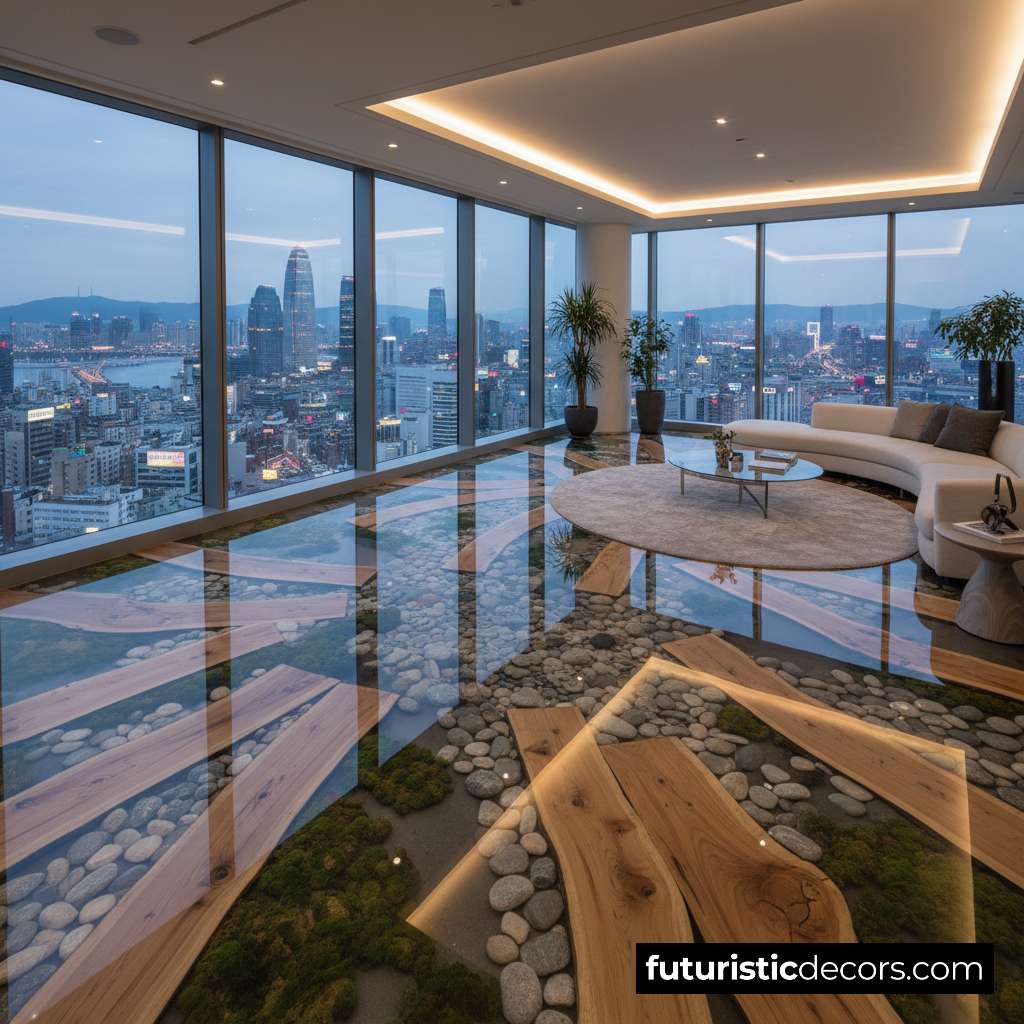
Wood Slab Epoxy Floors have become one of the most captivating interior design trends of the decade, blending natural textures with modern luxury. These floors are more than simple surfaces—they create immersive environments that resemble rivers, forests, moss gardens, or floating walkways inside your living space. Homeowners, designers, and luxury builders are embracing this flooring style for its artistic flair, durability, and ability to transform any room into a high-end statement.
What makes Wood Slab Epoxy Floors so appealing is the balance they strike between raw organic materials and polished contemporary design. Whether you’re envisioning a warm rustic atmosphere or a serene spa-style environment, these floors can be tailored to match your imagination. In this guide, we break down everything you need to know about costs, materials, installation, customization, and design possibilities—helping you make a confident decision for your home or project.
What Are Wood Slab Epoxy Floors?
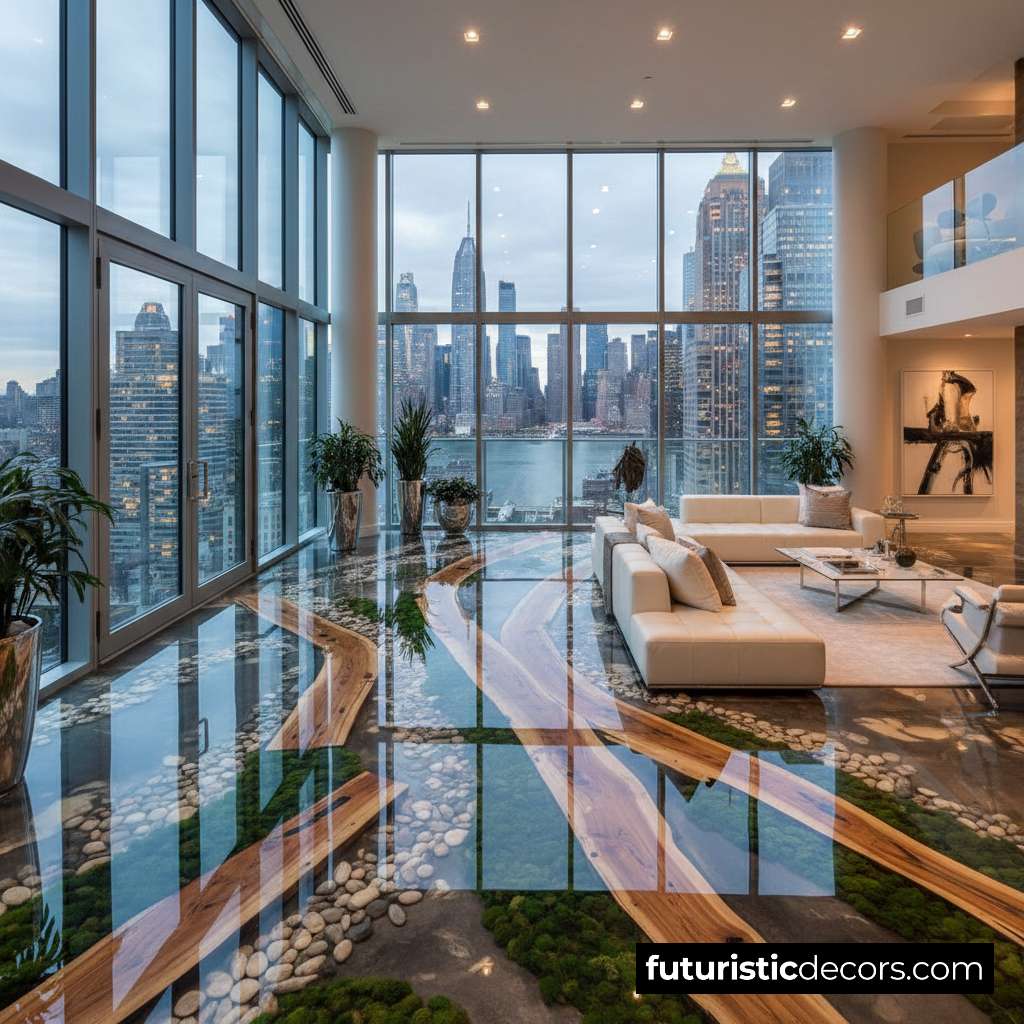
Wood Slab Epoxy Floors combine natural wood slabs—often with live edges—with clear or tinted epoxy resin. The epoxy fills the space between the slabs, creating a seamless, glass-like top surface that reveals the organic elements beneath. Designers often incorporate stones, moss, pebbles, LED lighting, or metallic pigments to create depth and a 3D visual effect.
This flooring style mimics the look of river tables but on a larger scale. Instead of filling a tabletop, the entire floor becomes a landscape. Each installation is a custom work of art, completely unique to your space. With the right materials and craftsmanship, these floors can last decades while maintaining their stunning clarity and form.
Why Homeowners Are Choosing Wood Slab Epoxy Floors?
One of the biggest reasons for the popularity of wood slab epoxy flooring is their undeniable visual impact. They instantly elevate any room, making a living space feel more luxurious, creative, and connected to nature. Many homeowners appreciate how these floors can mimic walking through a forest path or alongside a flowing river—experiences that traditional flooring cannot replicate.
Customization is another major advantage. Every detail, from wood species to resin color, can be tailored to your preferred style. For urban apartments, these floors introduce warmth and natural character amidst modern architecture. For luxury homes, they add depth and sophistication with a bold artistic statement.
Cost Breakdown for Wood Slab Epoxy Floors (2026 Guide)
The cost of wood slab epoxy flooring varies significantly depending on materials, labor, design complexity, and installation region. Below is a realistic cost range to help you plan your project.
1. Basic Wood Slab Epoxy Floors
- Price Range: $85–$130 per sq ft
- Ideal for simple designs using a single type of wood and clear epoxy.
- Minimal add-ons and straightforward installation.
2. Mid-Range Custom Epoxy Floors
- Price Range: $130–$190 per sq ft
- Includes more detailed river patterns, tinted resin, pebbles, or metallic pigments.
- Higher-quality wood slabs such as walnut, acacia, or old-growth varieties.
3. Luxury High-End Epoxy Floors
- Price Range: $190–$350+ per sq ft
- Features multiple wood species, LED lighting, embedded stone gardens, live moss, 3D contours, or intricate river pathways.
- Perfect for penthouses or artistic homes where the floor becomes a centerpiece.
4. Additional Costs to Consider
- Wood Slab Preparation: $300–$600 per slab (drying, sanding, edge preservation)
- Epoxy Materials: $80–$150 per gallon
- Subfloor Preparation: $5–$15 per sq ft
- Optional LED Installation: $500–$3,000 depending on design
Because each installation is handcrafted, no two projects cost the same. For large luxury spaces with full custom river systems, final prices can exceed $80,000 or more.
Link to buy similar products: Click here
Materials Used in Wood Slab Epoxy Floors
A successful project begins with the right materials. Designer installations of wood slab epoxy flooring typically incorporate the following:
1. Natural Wood Slabs
Choosing the right wood is essential. Popular species include:
- Black Walnut: Known for rich, dark tones and striking grain patterns.
- Oak: Durable and stable with a classic look.
- Acacia: Offers dramatic grain variations and excellent strength.
- Cedar: Light, aromatic, and highly resistant to moisture.
Live-edge slabs are especially desirable because they retain their natural contour, adding a raw, organic feel to the design.
2. High-Quality Epoxy Resin
Epoxy forms the crystal-clear surface that gives these floors their iconic shine. For the best results, deep-pour epoxies are used because they allow thick applications without yellowing or cracking.
Most installations feature:
- Clear Epoxy: For maximum transparency
- Tinted Epoxy: Blue, emerald, smoky grey, or metallic
- Metallic Pigments: Adds swirling river-like motion
- UV-Resistant Topcoats: Prevent ambering over time
3. Decorative Elements
To build depth and character, artists embed natural or artistic materials into the resin:
- Polished river stones
- Pebbles and gravel
- Moss and preserved greenery
- Faux or real water plants
- Driftwood accents
- LED strip lighting
These additions help the floor resemble a natural landscape or a glowing river at night.
Design Options for Custom Wood Slab Epoxy Floors
One of the biggest advantages of wood slab epoxy flooring is their endless customization possibilities. Here are several design styles trending in 2025–2026.
1. River-Style Designs
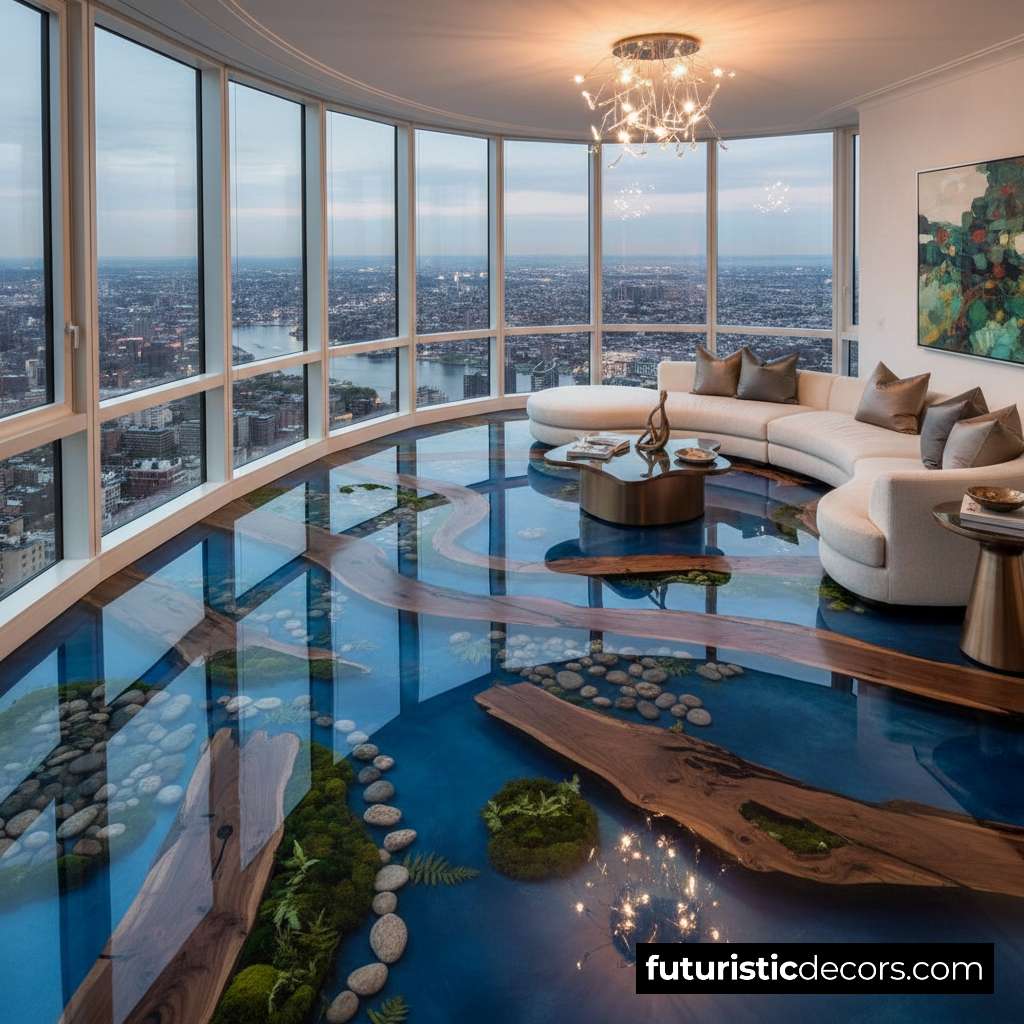
This is the most popular layout. Two wood slabs run parallel, with a “river” of tinted or clear epoxy between them. You can choose:
- Blue epoxy for a water effect
- Smoke or charcoal for a modern feel
- Metallic pigments for dramatic movement
2. Moss Garden Floors
This style incorporates preserved moss beneath clear epoxy, giving the room a biophilic, zen-inspired ambiance. It’s perfect for spa bathrooms, meditation rooms, and minimalist luxury spaces.
3. LED-Enhanced Pathways
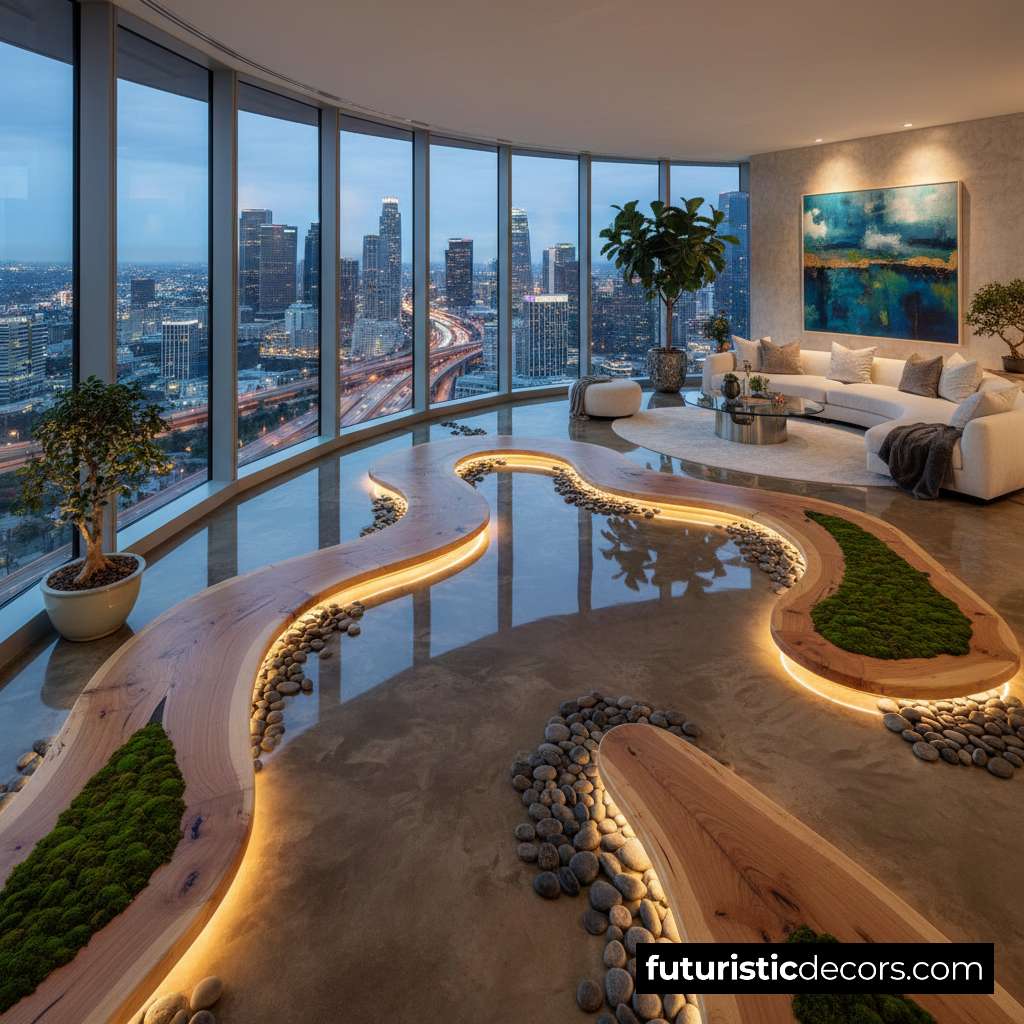
LEDs embedded along the wood edges create a glowing “riverbank” effect. This is ideal for penthouses or high-rise apartments where evening lighting plays a major role in ambiance.
4. Pebble and Stone Landscapes
Designers often build mini riverbeds beneath the epoxy using stones and gravel. This method gives the floor depth and texture, similar to the natural path of a mountain stream.
5. Multi-Species Wood Layouts
Combining walnut with oak, acacia, or maple can add contrast and complexity. Multi-wood floors feel modern and artistic, blending colors and textures seamlessly.
6. Glass-Clear Infinity Floors
Some homeowners prefer crystal-clear resin with minimal tinting, showcasing everything underneath with perfect clarity. These floors look sleek, futuristic, and incredibly luxurious.
How Wood Slab Epoxy Floors Are Installed
The installation process for wood slab epoxy flooring requires precision, skill, and proper materials. Here is a simplified overview of the steps involved.
1. Subfloor Preparation
The surface must be level, clean, and structurally sound. Installers may need to:
- Remove old flooring
- Patch and seal imperfections
- Apply moisture barriers
A stable foundation ensures the epoxy cures properly.
2. Wood Slab Preparation
Each slab is sanded, dried, and sealed. Live edges may be preserved or slightly shaped depending on the desired look. For large floors, multiple slabs may be arranged into a continuous pattern.
3. Building the Form
Installers construct a perimeter around the floor to contain the resin during pouring. This ensures the epoxy settles evenly and produces a smooth finish.
4. Decorative Layout
This is where the artistic magic happens. Stones, moss, wood pieces, and LED strips are carefully arranged to create the landscape of your choice.
5. Epoxy Pouring
Deep-pour epoxy is added in layers. Each layer must cure properly before the next is applied. This stage requires careful temperature and humidity control.
6. Sanding and Polishing
Once fully cured, the floor is sanded and polished to achieve a seamless glass-like finish. A protective topcoat is added for scratch resistance and UV stability.
Benefits of Wood Slab Epoxy Floors
There are many reasons luxury homeowners and designers choose this flooring style:
1. Unique Artistic Appeal
No two installations are the same. Each floor becomes a one-of-a-kind masterpiece.
2. Extreme Durability
Epoxy resists scratches, moisture, spills, and heavy foot traffic.
3. Easy Maintenance
A simple cleaning routine keeps the floor spotless. No waxing or refinishing needed.
4. Perfect for Modern & Nature-Inspired Homes
They work beautifully in penthouses, lofts, luxury homes, and contemporary apartments.
5. Excellent for Creative Lighting
LED integrations allow dramatic nighttime effects.
Who Should Choose Wood Slab Epoxy Floors?
Wood Slab Epoxy Floors are ideal for:
- Homeowners who want bold artistic interiors
- Modern luxury spaces with open layouts
- Designers seeking a biophilic aesthetic
- Penthouses with panoramic views
- Spa-style bathrooms and wellness spaces
- Creative studios, showrooms, or boutique hotels
If you’re looking for flooring that makes people stop and stare, this is the perfect choice.
Maintenance Tips for Long-Term Beauty
With proper care, these floors can look new for decades. Follow these tips:
- Use microfiber mops for dust removal
- Clean with gentle pH-neutral cleaners
- Avoid dragging heavy furniture
- Add felt pads under chair and table legs
- Reapply protective coatings every few years if needed
FAQs About Wood Slab Epoxy Floors
1. Are Wood Slab Epoxy Floors suitable for high-traffic areas?
Yes. wood slab epoxy flooring are highly durable and resistant to scratches, dents, and moisture, making them ideal for high-traffic spaces like living rooms, entryways, and commercial interiors. Their protective topcoat ensures the finish stays glossy and intact for years.
2. Can Wood Slab Epoxy Floors be installed over existing tiles or concrete?
In most cases, yes. Installers can apply wood slab epoxy flooring over tile, concrete, or old hardwood as long as the surface is level and properly sealed. Professional surface preparation is essential to ensure strong adhesion and a flawless finish.
3. Do Wood Slab Epoxy Floors yellow over time?
High-quality, UV-resistant epoxy products prevent yellowing, even in rooms with strong sunlight. When paired with a UV-stable topcoat, wood slab epoxy flooring maintain their clarity and brilliance for decades without discoloration.
4. How customizable are Wood Slab Epoxy Floors?
These floors are fully customizable. You can choose wood species, slab shapes, resin colors, embedded pebbles, moss, metallic swirls, and even LED lighting. Every wood slab epoxy flooring installation becomes a one-of-a-kind artistic statement.
5. What maintenance do Wood Slab Epoxy Floors require?
Maintenance is simple: routine sweeping and gentle mopping keep the surface spotless. Avoid harsh chemicals or abrasive tools to preserve the shine. With basic care, wood slab epoxy flooring remain beautiful for decades.
6. Are Wood Slab Epoxy Floors safe and eco-friendly?
Modern epoxies use low-VOC formulas that are safe for indoor environments once cured. Many designers also use sustainably sourced wood slabs, making wood slab epoxy flooring a responsible choice for eco-conscious homeowners.
Links to purchase similar products: Click here
Final Thoughts: “Wood Slab Epoxy Flooring”
Wood Slab Epoxy Flooring are more than a flooring solution—they are functional art pieces that bring natural landscapes into modern living spaces. They offer unmatched customization, exceptional durability, and a level of luxury that elevates any room. Whether you’re dreaming of a river flowing through your living room or a moss garden preserved beneath crystal-clear epoxy, this flooring style gives you the power to bring your vision to life.
If you want a design statement that feels both organic and futuristic, these floors are an extraordinary choice. Every installation tells a story, and with the right materials and craftsmanship, yours can become the highlight of your home.